
Buying a Vacation Rental on the Emerald Coast: What You Need to Know
Vacation rentals on the Emerald Coast can generate strong income — but the numbers only work if you buy the right property in the right building. Here's what experienced investors look at before making an offer.
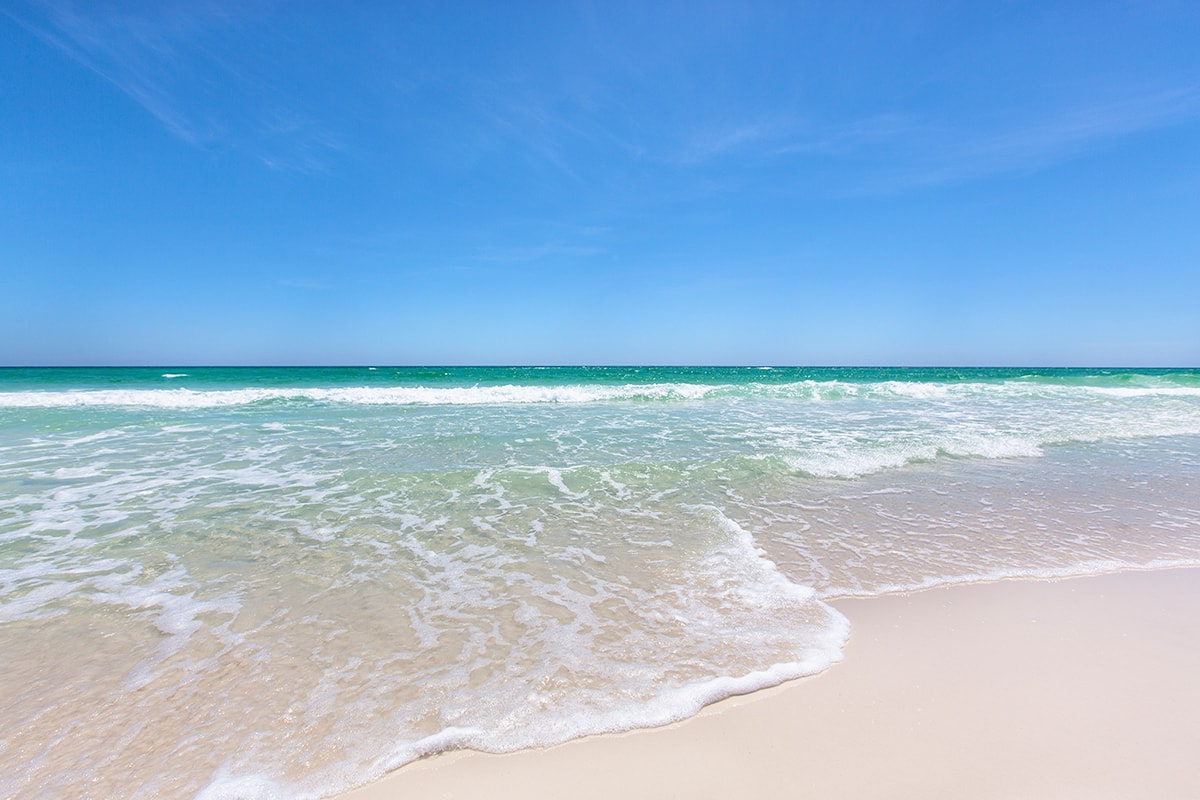
Buying a Vacation Rental on the Emerald Coast: What You Need to Know
The Emerald Coast is one of the strongest short-term vacation rental markets in the country. The combination of world-class beaches, a long tourist season, and strong demand from visitors across the Southeast makes it a compelling place to own investment property. But not every property here performs equally — and the difference between a great investment and a mediocre one often comes down to details that aren't obvious from a listing.
Here's what I walk investors through before they make an offer.
Verify Rental Permissions Before Anything Else
This is the first thing I check, and it's non-negotiable. Some condo associations prohibit short-term rentals entirely. Others allow them but impose minimum stay requirements (7 nights, 30 nights) that significantly limit your booking calendar. A few buildings have rental programs that require you to use their on-site management company.
None of this is disclosed in the listing — you have to pull the HOA documents and read them. I do this for every investment buyer before we get serious about a property.
Understand What "Rental Income" Actually Means
Sellers and listing agents often advertise gross rental income — the total revenue the property generated before any expenses. That number can look impressive. What matters is net income after:
- HOA fees (can run $800–$1,500/month in Gulf-front buildings)
- Property management fees (typically 20–30% of gross revenue)
- Utilities (electric, water, cable — often not covered by HOA)
- Maintenance and repairs (budget 1–2% of purchase price annually)
- Property taxes (Florida has no state income tax, but property taxes on investment properties are assessed at market value)
- Insurance (wind and flood coverage is significant on the Gulf)
A property generating $80,000 in gross rental income might net $35,000–$45,000 after all expenses. That's still a solid return at the right purchase price — but you need to model it correctly.
The Buildings That Perform Best
Not all buildings are created equal for rental income. The properties that consistently outperform have a few things in common:
- Gulf-front or Gulf-view location — proximity to the beach is the single biggest driver of rental rates
- Amenities — pools (especially heated pools), lazy rivers, fitness centers, and covered parking all improve booking rates
- Unit size — 2 and 3-bedroom units outperform studios and 1-bedrooms on a per-night basis and attract longer stays
- Professional management — buildings with established on-site management or strong relationships with local property managers tend to have better occupancy
Seasonality on the Emerald Coast
The Emerald Coast has a pronounced peak season (Memorial Day through Labor Day) and a softer off-season. Peak weeks in June and July can generate $5,000–$10,000+ for a well-positioned Gulf-front unit. The shoulder seasons (spring break, fall) are increasingly strong as the market matures. Winter is slower but not dead — snowbirds and remote workers have extended the booking calendar meaningfully.
A realistic model for a Gulf-front 2-bedroom in PCB might look like:
- Peak season (10 weeks): $6,000/week = $60,000
- Shoulder season (12 weeks): $2,500/week = $30,000
- Off-season (30 weeks): $1,000/week = $30,000
- Gross annual: ~$120,000
That's a strong property. Most properties won't hit those numbers — but it illustrates what the ceiling looks like.
Financing a Vacation Rental
Financing an investment property is different from financing a primary residence. Expect:
- Higher down payment: 20–25% is standard for investment properties
- Higher interest rate: typically 0.5–0.75% above primary residence rates
- Stricter qualification: lenders will look at your debt-to-income ratio more carefully
Some buyers use the projected rental income to help qualify — ask your lender about DSCR (Debt Service Coverage Ratio) loans, which are underwritten based on the property's income rather than your personal income. These can be useful for investors with complex income situations.
What I Look for Before Recommending a Property
When I'm working with an investment buyer, I'm looking at:
- Rental history — actual documented income, not projections
- HOA financials — is the reserve fund adequately funded? Any pending special assessments?
- Building age and condition — older buildings can have deferred maintenance that creates liability
- Rental restrictions — confirmed in the HOA documents, not just the listing
- Comparable sales — is the asking price in line with what similar units have sold for?
- Management options — who will manage it, and what will it cost?
FAQ
How much can a vacation rental on the Emerald Coast make per year?
Gross rental income varies widely by location, unit size, and building quality. A Gulf-front 2-bedroom in Panama City Beach might generate $60,000–$120,000 gross annually. After management fees (20–30%), HOA fees, insurance, taxes, and maintenance, net income typically runs 35–50% of gross. A well-purchased property in a strong building can generate a 5–8% cash-on-cash return.
Can I manage my Emerald Coast vacation rental remotely?
Yes — many owners manage their properties remotely using platforms like Airbnb, VRBO, and Vacasa combined with a local cleaning and maintenance team. Some buildings have on-site management that handles everything. Remote management is very common here; I can connect you with reliable local management companies as part of the buying process.
Are short-term rentals legal in Panama City Beach and Destin?
Yes, short-term vacation rentals are legal in PCB, 30A, and Destin. Florida state law generally preempts local restrictions on vacation rentals, though individual condo associations can impose their own rules. Always verify the specific building's rental policy before purchasing.
What is the best type of property for vacation rental income on the Emerald Coast?
Gulf-front or Gulf-view condos with 2–3 bedrooms in buildings with strong amenities (pools, fitness center, covered parking) consistently outperform. Larger units attract families who book longer stays and pay higher nightly rates. Single-family homes can also perform well but require more management attention.
How much do I need to put down to buy a vacation rental on the Emerald Coast?
Most lenders require 20–25% down for an investment property. On a $500,000 condo, that's $100,000–$125,000 down. Some buyers use DSCR loans (underwritten on the property's rental income rather than personal income), which can offer more flexibility. I work with several local lenders who specialize in Emerald Coast investment properties.
Thinking about buying a vacation rental? I can pull rental history on specific buildings and help you model the numbers before you make an offer.
— Kinsey

Explore Topics
Found this helpful? Share it with someone buying on the Emerald Coast.
Ready to take the next step?
Let's Talk — I'd Love to Help
Kinsey Haddock · Coldwell Banker Realty
Whether you're buying, selling, or just exploring your options on the Emerald Coast, I'm here to answer every question — no pressure, no obligation.
Written by
Kinsey Haddock
Kinsey Haddock P.A. is a Broker Associate and Realtor® with Coldwell Banker Realty, specializing in coastal real estate from St. George Island and the Forgotten Coast to 30A, Destin, and Panama City Beach. License #BK3253849.